Getting a smooth, even finish on plastered walls or ceilings takes more than just skill; it also depends on the tools you use. Whether you’re patching up a small crack or working on a full room, having the right gear makes the job easier and the results better. High quality plastering tools help you apply plaster more evenly, reduce mess, and save time on sanding later. From trowels to hawks and mixing paddles, each tool plays its part. If you’re serious about good results, it’s worth knowing which tools actually make a difference and why they’re worth adding to your kit.
Essential Trowels for Smooth Application
A plastering job starts with the right trowel. Without it, getting a flat and neat surface becomes harder. For anyone working with plaster, picking the proper tool can save both time and effort.
Stainless steel trowels stand out because they last longer. They hold their shape after many uses and don’t rust when cleaned properly. The material also gives some flex, which helps spread plaster evenly across walls or ceilings. That’s why many tradespeople reach for stainless steel when doing more than one coat.
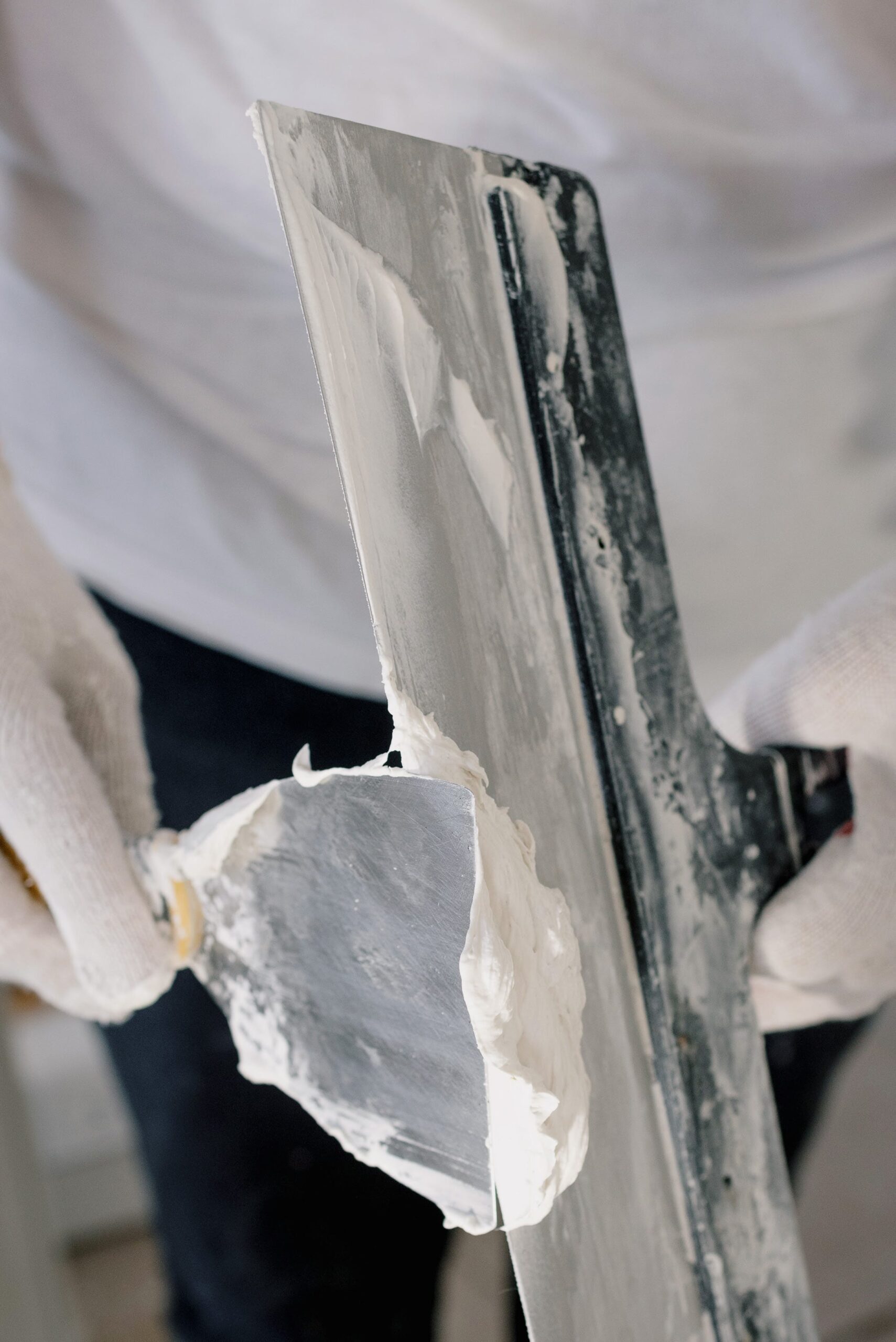
There’s more than one type of trowel to think about. A finishing trowel has a wide blade that helps smooth out lines left from earlier coats. A smaller laying-on trowel is good for applying the first layer quickly and evenly. Corner trowels help reach tight spots where two surfaces meet at an angle.
Handle design matters too. Some prefer wooden grips, while others choose rubber or plastic ones that feel better during long jobs. Picking a handle that fits well in your hand can reduce strain after hours of use.
Size plays a part as well. Larger blades cover more space fast, but may be tough to control on narrow sections or edges. Smaller versions give more precision, especially around sockets or frames.
It’s worth spending money on high quality plastering tools if you want fewer problems later on site. Cheap ones might bend or wear down too fast, making your finish look rough or patchy.
Each job might need a different size or shape of blade, depending on what needs covering and how much detail is involved. Knowing what works best comes with time, but having reliable gear makes learning easier for anyone starting out, or switching brands after years in the trade.
High Quality Plastering Tools for Professional Results
Getting a clean, smooth wall starts with using the right gear. When you’re working on plastering jobs, every tool in your kit matters. From your first pass to the final touch, reliable tools help you stay accurate and save time.
Trowels play a key role. A well-made trowel gives better control and helps spread plaster evenly. Cheaper versions can bend or wear out fast, which leads to patchy finishes. Stainless steel options often last longer and allow for more consistent results.
Corner trowels help shape edges without leaving marks behind. These tools fit snugly into corners so you don’t have to go over them again and again. That saves effort and keeps things tidy.
Feather edges are useful too. They help level large areas quickly so you don’t end up with dips or bumps across the surface. Using one of these can cut down on sanding later, which means less mess and faster cleanup.
Mixing paddles also matter more than people think. If your mix is uneven, it shows up once everything dries. A good paddle makes sure the plaster blends properly before it goes on the wall.
Hawks give support while applying plaster by holding material close at hand so there’s no need to keep reaching for more product mid-job.
Using high quality plastering tools not only speeds things up but also reduces waste from do-overs or fixes later on.
Choosing decent gear doesn’t just make tasks easier; it also helps avoid mistakes that take hours to fix afterwards. Swapping out flimsy items for stronger ones may seem small at first, but it ends up making a big difference when you’re doing this kind of job day in, day out.
Better equipment means less strain during long sessions, too, no fighting with awkward handles or awkward weights while trying to get even coverage across walls or ceilings.
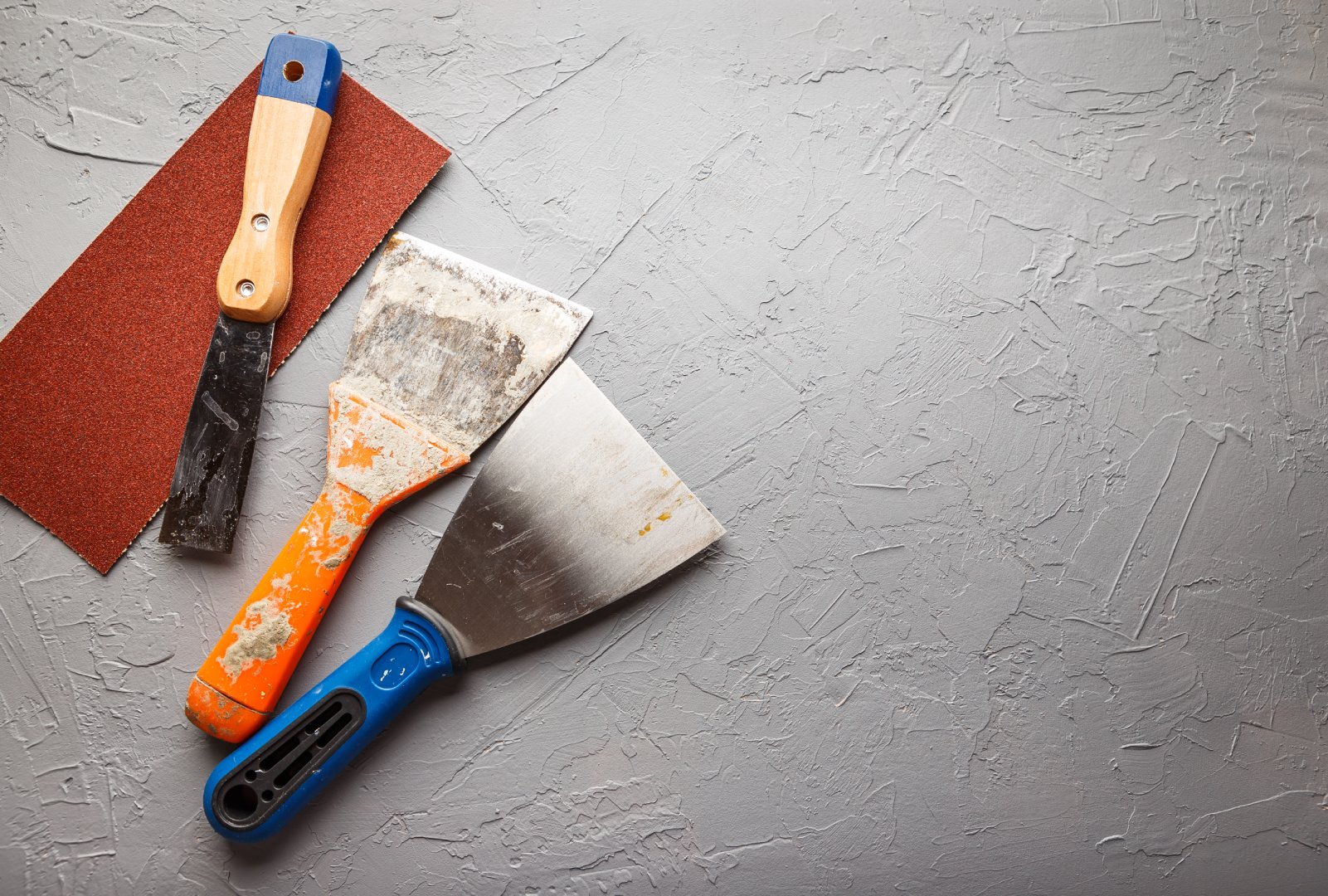
Construction tools – brushes, rollers, spatulas and sandpaper on a concrete background
Mixing Equipment That Delivers Consistency
Getting the mix right makes a big difference in plastering. If the mix is too thick or too thin, it can lead to problems like bumps, cracks or uneven surfaces. Using proper mixing gear helps keep things even and smooth every time.
A strong mixing drill saves time and effort. It keeps the motion steady, so there’s less chance of lumps forming in the bucket. When paired with the right paddle, it blends everything together without leaving dry patches or air bubbles behind. This means plaster spreads better on walls and ceilings.
Some drills come with speed control, which lets you adjust how fast you mix based on what you’re working with. Slower speeds help when starting out to avoid splashing, while higher speeds finish off the job quickly once everything is combined. Paddle shape matters too, spiral paddles pull material from top to bottom for an even texture throughout.
Buckets also play a role in keeping your mixture consistent. A clean round bucket makes it easier for the paddle to reach all areas as it turns. Keeping your tools clean between uses stops old bits of dried plaster from getting into fresh batches and ruining them.
Using high quality plastering tools means fewer mistakes during application. They help reduce waste since you won’t be throwing away poorly mixed batches as often. The end result looks better because everything goes on evenly from start to finish.
Professionals know that reliable mixing equipment isn’t just about convenience; it helps them do their best job day after day without delays or rework caused by poor consistency. Choosing dependable drills and paddles pays off over time by keeping each project running smoother from prep to final coat.
Finishing Tools That Perfect Every Detail
Getting the last coat right takes more than just skill. It also depends on using tools that help smooth out lines, bumps and small marks. That’s where tools like sponge floats and plastic trowels come in. These play a big part in making sure everything looks even once the job is done.
Sponge floats help with surface texture. They’re used once the plaster has started to set, but still holds some moisture. This allows you to gently rub over the surface, which helps pull up fine material and fill tiny holes or cracks. It also blends edges so there’s no sign of where one section ends and another begins.
Plastic trowels come next for many tradespeople. Unlike metal ones, they don’t leave shiny patches or drag lines across your finish. They glide over the wall without sticking or catching on dry areas. Many professionals prefer plastic because it keeps the final look smooth without changing colour or texture.
These finishing tools save time, too. Instead of going back later to fix rough spots, you can deal with them while the plaster is still workable. That means less sanding down the line and fewer touch-ups before painting starts.
Using high quality plastering tools makes each stage easier to control, especially when working under pressure or tight timelines. The right float or trowel lets you spot issues early and sort them straight away.
Even though these items might seem simple, they have a clear role from start to end of every wall or ceiling job. Whether you’re doing patchwork in a hallway or skimming an entire room, having reliable finishing gear makes all the difference between a rough patch-up and a neat result that lasts longer with less fuss later on.
Achieving a Smooth Finish Starts with the Right Tools
To get that flawless, professional finish every time, it all comes down to having the right gear in your toolkit. From reliable, well-balanced trowels to consistent mixing equipment and precision finishing tools, each piece plays a vital role in the plastering process. High quality plastering tools don’t just make the job easier, they help deliver better results with less effort. Whether you’re just starting out or looking to upgrade your kit, investing in dependable tools is a smart move for any plasterer aiming for top-tier results. After all, great craftsmanship starts with great equipment.
Share This Story, Choose Your Platform!
About EJL Supplies

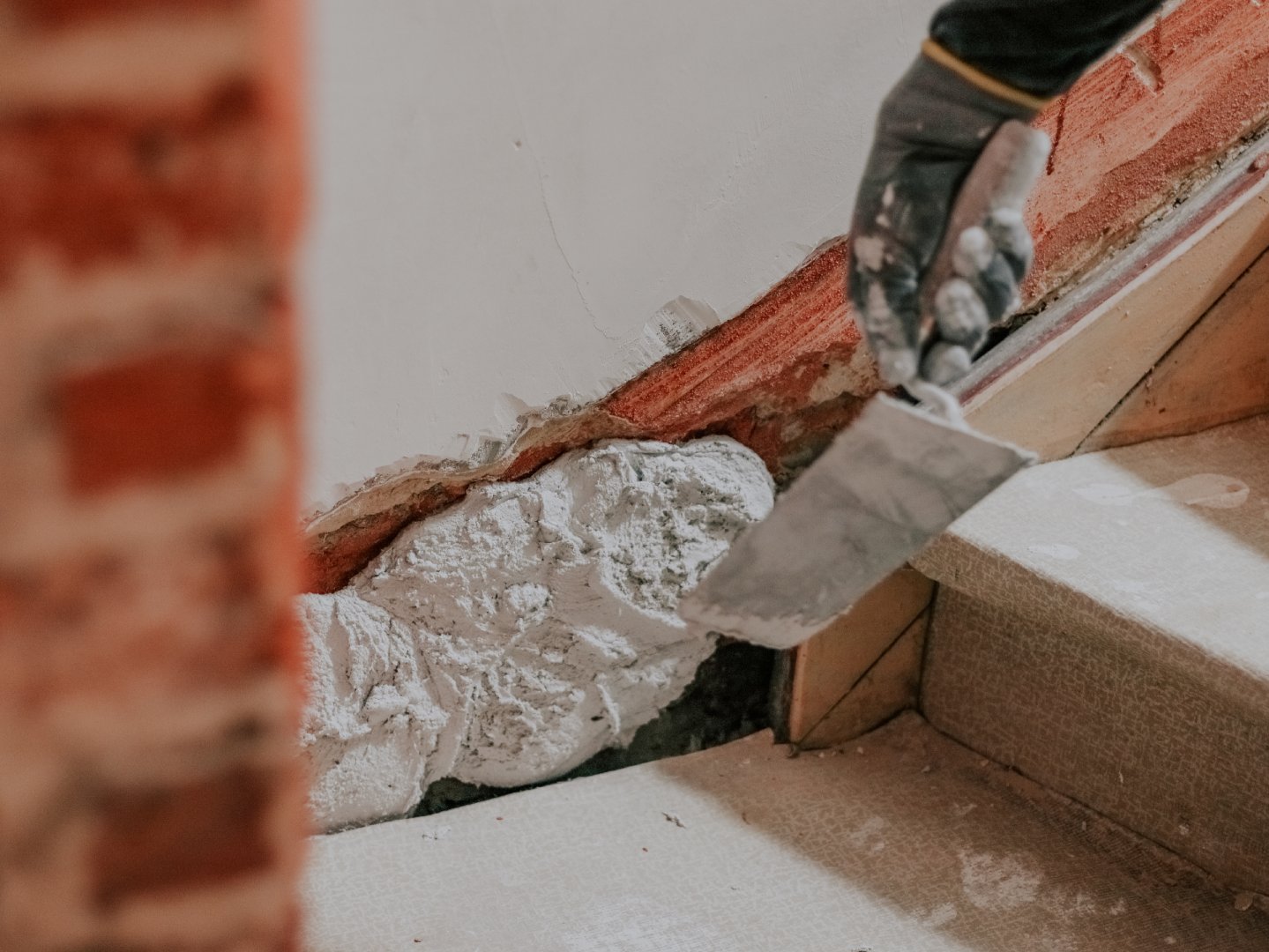
Table of Contents
Recent Posts
Jub Coloured Render Portsmouth: Sourcing High-Performance Systems
The construction and renovation market across Hampshire has seen a massive shift toward modern, low-maintenance exterior finishes. Homeowners and commercial developers are increasingly moving away from traditional masonry paints that require regular refreshing, opting instead for [...]