You have finished plastering a room, stepped back to admire the smooth walls, and now you are itching to paint. The question every plasterer, builder and homeowner asks next is the same: how long does plaster take to dry? Get the answer wrong and you can end up with peeling paint, patchy colour or cracks that were never there on day one.
The honest answer is that it depends. A thin skim coat on a warm, well-ventilated wall can look dry in a few days, while a thick sand and cement or lime base coat in a cold, damp house can take weeks. This guide explains what affects the timing, how to tell when plaster is genuinely ready, and what you can do to help it along without damaging it.
At EJL Supplies we serve plasterers and builders across Portsmouth and Hampshire every day, so these are the questions we hear at the trade counter all the time. We have written this to give you a clear, practical answer.
How long does plaster take to dry?
As a rule of thumb, a standard skim coat of finishing plaster is touch dry within a day or two and looks dry across the whole wall in about three to five days. A fully dried and cured wall, ready to take any type of paint, usually needs around two to four weeks, and thicker or heavier applications can take longer than that.
Those figures assume reasonable conditions: a room that is heated gently, ventilated and not exposed to persistent damp. Winter work in an unheated house is a different story, and drying times can double.
It also helps to separate two ideas. Plaster sets, which is a chemical reaction that happens within a couple of hours, and plaster dries, which is the slower process of the remaining water leaving the wall. People often confuse the two. A wall that feels hard to the touch has set, but it may still be holding a lot of moisture.
Setting versus drying: what is happening in the wall
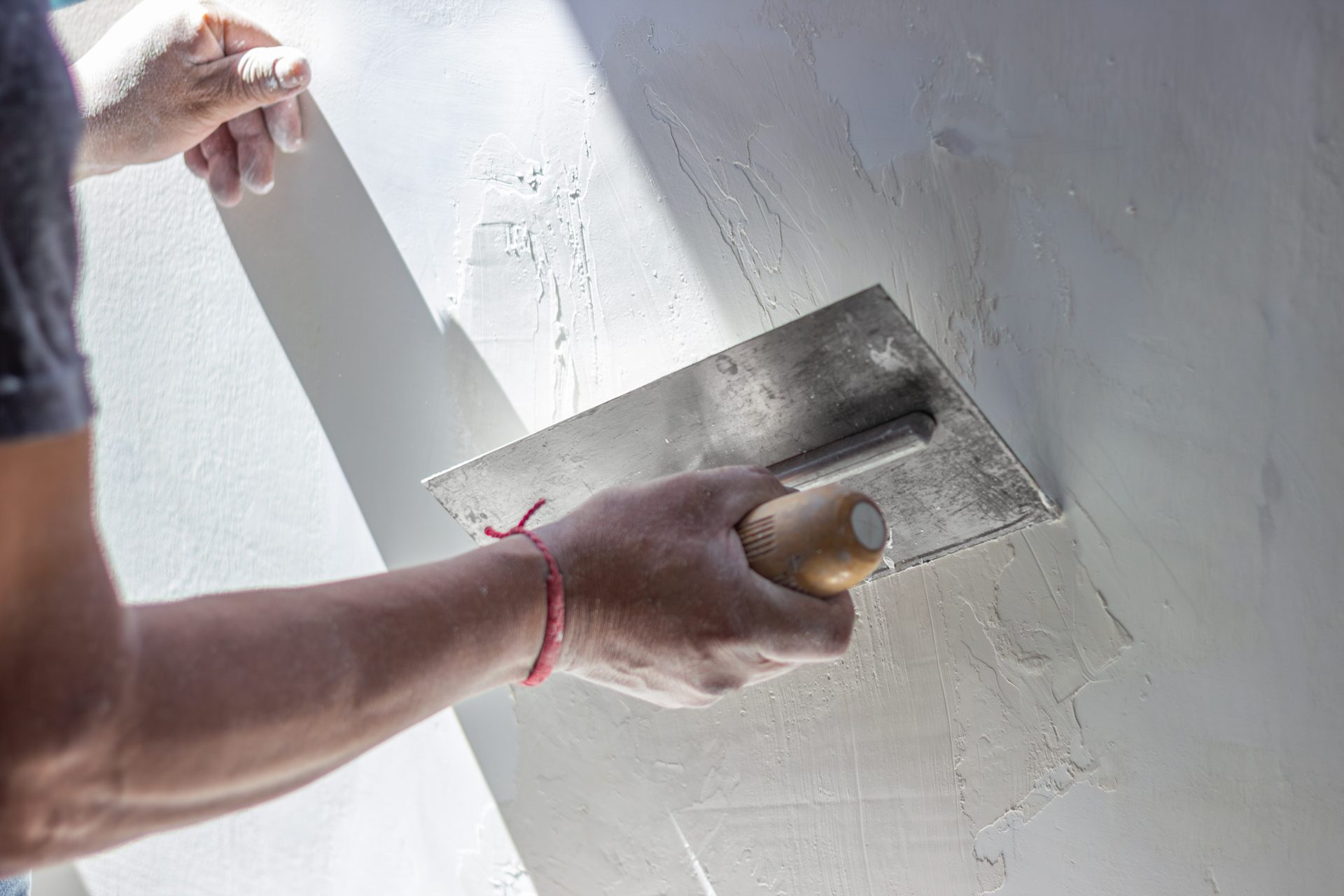
Gypsum finishing plaster is mixed with water, and as it hardens it forms a crystal structure. That setting reaction takes roughly one to two hours, and by then you will have trowelled and polished the surface. The plaster is firm, but it still contains the excess water that was needed to make it workable.
That water now has to escape. It moves out of the wall slowly, partly into the air in the room and partly into the background. As it leaves, the plaster changes colour from dark, damp pink or brown to a pale, even tone. This colour change is the best visual clue you have.
What affects plaster drying time?
Several factors work together, and understanding them helps you plan the job.
Thickness of the plaster
This is the biggest factor. A thin skim of two to three millimetres dries far faster than a thick backing coat or a full two-coat system. Deep patches and thick repairs hold more water and need more time before you cover them.
The background
The wall behind the plaster matters as much as the plaster itself. Plastering over a very absorbent surface such as bare blockwork or a dry backing coat pulls moisture out quickly. A sealed or damp surface, or one that has been treated with a bonding agent, slows things down.
Temperature and ventilation
Warm, moving air dries plaster faster. Cold, still, humid air slows it right down. Opening windows during the day, running a dehumidifier and keeping the heating on a low, steady setting all help. Rainy weeks and unheated winter houses do the opposite.
The type of plaster
Different products behave differently. Multi-finish and board finish gypsum plasters are common for interior skim coats. Lime plasters dry and cure much more slowly because they harden by absorbing carbon dioxide from the air, and cement based renders and base coats need more time again. Always follow the manufacturer’s guidance for the specific product you are using.
Moisture sources in the building
If a wall is affected by rising damp, a leak or condensation, it will not dry properly until the cause is fixed. Plastering over damp walls is one of the most common reasons for failure, and it is worth dealing with the source before you start.
Typical drying times at a glance
- Thin skim coat (2 to 3 mm): touch dry in a day, mostly pale in 3 to 5 days, ready for a mist coat in about a week and ready for a full finish at around 2 to 4 weeks.
- Two-coat plaster on new walls: backing coat typically needs several days between coats, with the full system needing 3 to 4 weeks or more.
- Patch repairs: small patches dry faster than whole walls, often within a few days, but thick repairs should be left longer.
- Lime plaster: expect weeks to months to fully cure, depending on thickness and conditions.
- Cement based render or sand and cement base coat: usually needs a longer period, with thicker coats needing noticeably longer in cool weather.
These are guides, not guarantees, and that is why the honest answer to how long does plaster take to dry always starts with it depends. If you are unsure, the manufacturer’s data sheet is your best source for the product you have chosen.
How to tell when plaster is dry
You do not need special equipment for a basic check, although a moisture meter is helpful for larger jobs.
- Colour: fresh plaster is dark and patchy. Dry plaster is a consistent pale pink or light grey with no dark patches.
- Touch: a dry wall feels warm or neutral, never cold or clammy to the palm of your hand.
- Marks: if you lay a piece of plastic sheet over a small area and tape it down, any condensation after 24 hours means there is still moisture inside.
- Moisture meter: a reading in the safe range for plaster shows the wall is ready.
Dark patches around corners, near the floor or at the edges of a patch are the last areas to dry, so keep an eye on them before you start decorating.
Should you paint new plaster straight away?
Not with a standard silk or vinyl paint. New plaster is porous and alkaline, and it needs to breathe while it dries. If you seal it with a non-breathable coating too soon, trapped moisture can cause the paint to blister, peel or discolour.
The standard approach is a mist coat. This is a thinned coat of water-based matt emulsion, usually mixed at roughly half paint and half water, or as the instructions on the tin recommend. The thinned paint soaks into the plaster, seals it enough to accept a topcoat and still lets moisture escape. Once the mist coat has dried, you can apply your normal finishing coats.
Wait until the plaster has changed to a pale, even colour before you apply the mist coat. Painting over dark patches will not help.
Ways to speed up the drying time safely
It is tempting to throw heat at a new wall, but too much too soon causes more harm than good. These measures work well:
- Open windows during the day to let damp air escape, and close them in the evening if the air outside is wetter.
- Run a dehumidifier in the room, which pulls moisture out of the air and encourages the wall to release more.
- Keep the central heating on at a modest, steady level rather than blasting it.
- Keep furniture and curtains away from walls so air can circulate.
- Fix any leaks, damp or condensation problems before plastering.
What to avoid when plaster is drying
Some well-meaning shortcuts cause real problems, so steer clear of them.
- Do not use direct heat such as fan heaters or blow torches pointed at the wall. Rapid drying causes cracks, crazing and a weak surface.
- Do not paint with non-breathable paint, wallpaper or lining paper until the wall is fully dry.
- Do not fix things to the wall with heavy loads before it has hardened properly.
- Do not seal the room tightly, because trapped humid air slows drying.
- Do not ignore persistent dark patches. They may point to a leak or damp problem.
What can go wrong if plaster is not dry enough
Covering damp plaster is one of the most common causes of callbacks. The problems usually show up some weeks later and include:
- Blistering or peeling paint caused by trapped moisture.
- Patchy colour, with dark and light areas showing through the paint.
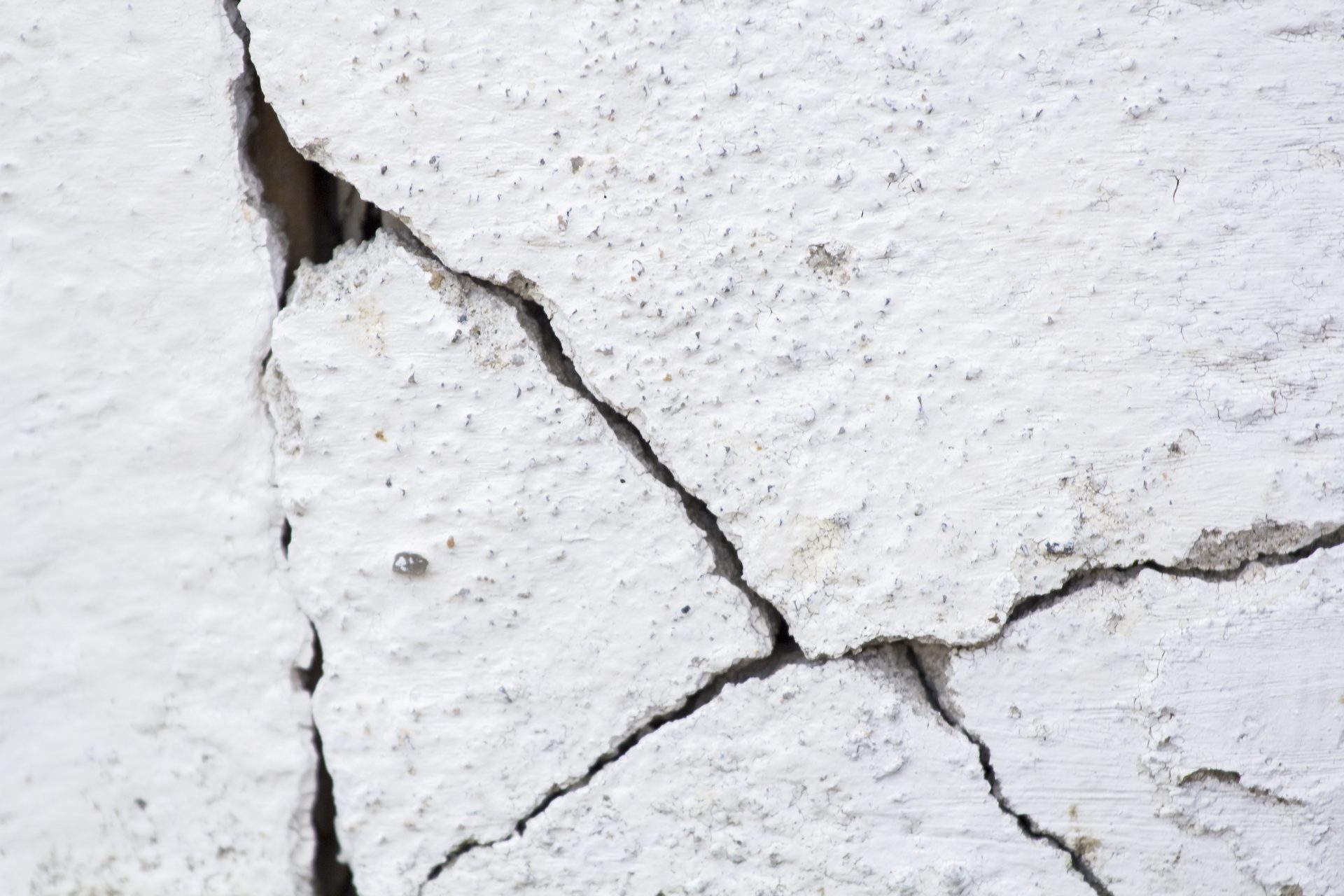
- White salt deposits on the surface, known as efflorescence.
- Mould growth on cold or poorly ventilated walls.
- Wallpaper that bubbles or lifts at the seams.
Putting up with another week of waiting is far easier than stripping and redoing the decorating, so patience pays off. If you are also working with render outside, our guide on how to mix render properly covers the mixing side of getting a durable finish.
Plaster drying time in winter and in damp houses
Winter is when drying times stretch the most, so anyone asking how long does plaster take to dry between November and March should expect the longer end of every range. The air is colder, holds more moisture and windows stay closed. If you are plastering in cold months, plan for longer, keep a low background heat running and use a dehumidifier. Aim to avoid plastering at all in freezing conditions, because plaster that freezes before it sets can be permanently weakened.
In older properties with solid walls, moisture can also travel from the masonry into the new plaster. This is one reason why plaster can look dry on the surface and still hold water underneath. If walls keep crumbling or going powdery, take a look at our article on how to stop plaster from crumbling.
Is it plaster, drywall or something else?
Not every wall in a modern house is traditional wet plaster. Plasterboard with a skim finish dries much faster than a full sand and cement and gypsum system, because the board itself is dry and only the thin skim coat needs to lose its water. If you are deciding between the two approaches for a project, our comparison of plaster versus drywall explains the differences in cost, finish and timing.
Frequently asked questions
Can I paint after one week?
Often you can apply a mist coat after about a week if the wall has turned pale and even, but a full finish coat is best left for a few weeks. Check the colour and the feel of the wall before you start.
How long should I wait before wallpapering?
Wait until the plaster is completely dry, then seal it with a coat of diluted PVA or a mist coat as recommended for your wallpaper. Hanging paper on damp plaster can lead to mould and lifting seams.
Does a dehumidifier really help?
Yes. It removes moisture from the air so the wall can keep releasing its water. Combined with gentle heat and ventilation, it can cut waiting time noticeably, particularly in winter.
Is it normal for new plaster to crack a little?
Fine hairline cracks can appear as plaster dries and shrinks, especially if it dried too quickly. They can usually be filled before painting. Larger or recurring cracks suggest a problem with the background or the mix and are worth investigating.
Get plastering supplies from EJL Supplies
If you are planning a plastering job in Portsmouth or Hampshire, we stock the plasters, beads, tools and accessories to see it through, and we are always happy to talk through what you need. Get in touch with our team for advice or a quote, or visit our home page to see what we supply. We will help you choose the right product for your wall, so you can plaster once and get it right.
Share This Story, Choose Your Platform!
About EJL Supplies

Table of Contents
Recent Posts
How Long Does Plaster Take to Dry? Drying Times and Tips
You have finished plastering a room, stepped back to admire the smooth walls, and now you are itching to paint. The question every plasterer, builder and homeowner asks next is the same: how long does plaster [...]